
In this article, we will delve into the topic of using lemon water in stainless steel bottles. Many individuals relish the refreshing taste and health benefits of lemon-infused water, but there are some crucial factors to consider when utilizing stainless steel containers. We will address the potential impacts of acidic beverages like lemon water on stainless steel, as well as provide tips for preserving your bottle’s quality and longevity. Whether you are a devoted lemon water fan or simply curious about the compatibility of these materials, this article will offer valuable insights.
Understanding Lemon Water Effects
Lemon water, a simple mixture of lemon juice and water, has gained popularity for its refreshing taste and numerous health benefits. When consumed regularly, lemon water can enhance hydration, boost vitamin C intake, and aid digestion. The citric acid present in lemons can help stimulate gastric juices, promoting better digestion and potentially alleviating symptoms of indigestion. Additionally, lemon water is often touted for its detoxifying effects, helping to flush out toxins from the body. However, it’s important to understand how certain containers, such as stainless steel bottles, can impact the lemon water experience.
Benefits of Stainless Steel Bottles
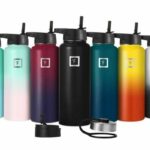
Stainless steel bottles have become a preferred choice for many individuals looking to stay hydrated. Here are some key benefits of using stainless steel bottles for storing lemon water:
- Durability: Stainless steel is highly resistant to impact and corrosion, making it a long-lasting investment.
- Temperature Retention: Many stainless steel bottles feature double-wall insulation, which helps keep beverages cold for hours, making them ideal for lemon water on hot days.
- BPA-Free: Unlike some plastic bottles, stainless steel does not contain harmful chemicals like BPA, ensuring your drink remains safe.
- Eco-Friendly: Using a reusable stainless steel bottle reduces plastic waste and is a more sustainable choice for the environment.
Given these advantages, stainless steel bottles are a solid option for storing lemon water, allowing you to enjoy its benefits without compromising on quality.
Potential Reactions with Lemon Juice
While stainless steel is generally safe for storing lemon water, it’s important to note that lemon juice is acidic. This acidity can potentially react with certain metals, particularly if the bottle is not of high quality. Most food-grade stainless steel bottles are designed to withstand acidic beverages like lemon water without any adverse reactions. However, lower-quality stainless steel may lead to:
- Metallic Taste: Prolonged contact with acidic liquids can impart a metallic flavor to your drink.
- Corrosion: If the bottle is not made from high-quality stainless steel, it may corrode over time when in contact with acidic substances.
To avoid these potential reactions, always opt for a well-reviewed, high-quality stainless steel bottle specifically designed for storing acidic drinks.
Best Practices for Storage
To ensure that your lemon water remains fresh and delicious, consider the following best practices for storage in stainless steel bottles:
- Choose Quality: Invest in a high-quality stainless steel bottle that is labeled as food-grade.
- Limit Storage Time: While lemon water can be stored for a day in a stainless steel bottle, it’s best consumed fresh to maximize flavor and nutrients.
- Seal Tightly: Make sure your bottle has an airtight seal to prevent spills and maintain temperature.
- Avoid Extended Exposure: If possible, avoid leaving lemon water in the bottle for extended periods to prevent any potential metallic taste.
Following these practices will help you enjoy your lemon water while maintaining the integrity of your stainless steel bottle.
Alternatives to Stainless Steel
If you’re considering alternatives to stainless steel for storing lemon water, there are several options available:
- Glass Bottles: Glass is a non-reactive material that doesn’t impart any flavors. It’s an excellent option for lemon water but can be fragile.
- Bamboo Bottles: Made from sustainable materials, bamboo bottles can provide a unique aesthetic but often come lined with a glass or stainless steel interior.
- Plastic Bottles: While lightweight and convenient, be cautious of BPA and other chemicals that can leach into acidic liquids.
Each alternative has its pros and cons, depending on your lifestyle and preferences.
Cleaning and Maintenance Tips
To keep your stainless steel bottle clean and in good condition, follow these maintenance tips:
- Regular Cleaning: Clean your bottle after each use with warm, soapy water and a bottle brush to prevent residue buildup.
- Deep Cleaning: For deep cleaning, mix baking soda and water to create a paste and scrub the interior. Rinse thoroughly.
- Avoid Abrasives: Do not use abrasive cleaners or pads, as these can scratch the surface and compromise the bottle’s integrity.
- Dry Properly: Ensure the bottle is completely dry before sealing to prevent any mold or bacteria growth.
Proper cleaning and maintenance will extend the life of your stainless steel bottle and ensure that your lemon water tastes fresh every time.
FAQs about Lemon Water and Bottles
Here are some common questions regarding lemon water and the use of bottles:
- Can I use lemon juice from concentrate? Yes, but fresh lemon juice offers better flavor and more nutrients.
- How long can I store lemon water in a stainless steel bottle? It’s best consumed within 24 hours for optimal taste and benefits.
- Can I put hot lemon water in a stainless steel bottle? Yes, but ensure your bottle is insulated to maintain the temperature without burning your hands.
- Is it safe to reuse plastic bottles for lemon water? It’s recommended to use bottles specifically designed for acidic beverages to avoid chemical leaching.
For more information on different types of bottles and their uses, feel free to browse our product section on our website. We’re here to help you make informed choices!
 What Makes a Water Bottle Truly Leak-Proof?
 How Often Should You Replace Your Water Bottle?
 Are Expensive Water Bottles Worth It?